
The n=1 Project
Unique expertise. Unique paths. Unique impact.
Your career is one of a kind.
In statistics, n represents sample size. Larger samples let us make inferences about populations. But when it comes to Australia’s researchers, that population requires a sample size of one.
After years of working with researchers, what has become clear is that most ‘successful’ careers emerge through chance happenings. Surprising findings. Unexpected introductions. Timely grant wins. Serendipitous encounters. Good fortune. And choices.
Despite similar pressures around publishing and funding, despite expectations about linear progress from a PhD to Professor, or that track records fit neatly into application boxes… no two research careers are the same.
Trying to generalise across this population of individuals with unique talents, expertise, experiences, and incredibly diverse goals through metrics and statistical analysis misses the depth, complexity and richness of Australia’s research environment.
To truly understand Australia's research talent, the data must be drawn from a single subject. One researcher. One story. One unrepeatable path.
The n=1 Project celebrates this.
We feature researchers whose combination of expertise, choices, and impact goals exist nowhere else. Not because they're exceptions, but because excellence in research is always singular.
“To validate your career, you only need a sample size of 1. Yours.”

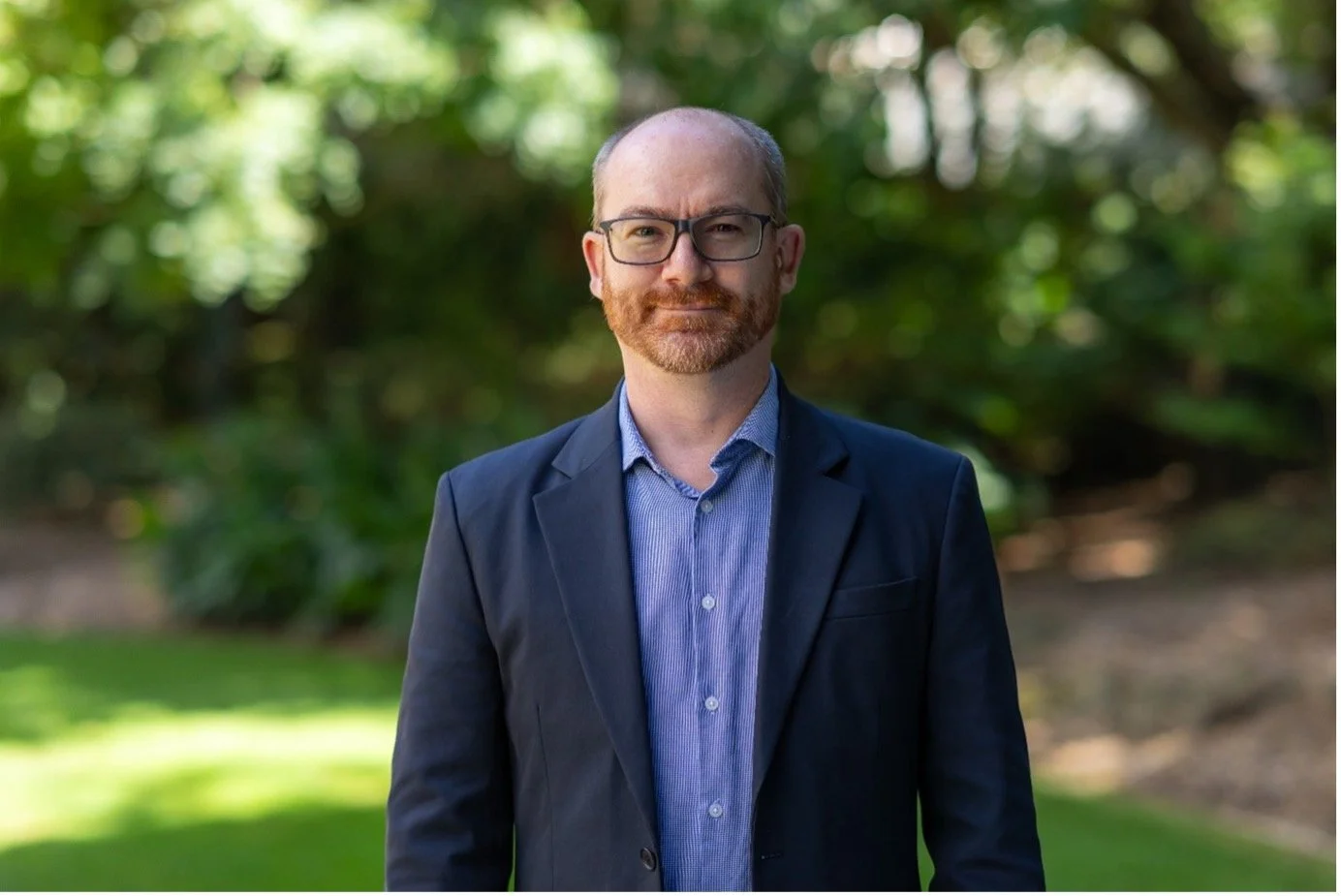
Dr Berin Boughton
FEATURED RESEARCHER [MAY.26]
Research Focus:
Spatial metabolomics, mass spectrometry imaging, crop stress resilience in barley and quinoa, and the molecular geography of disease across biological systems
Preview Text:
Berin Boughton has spent his career building the tools to see biology without destroying what makes it real. His work operates across two converging frontiers — the molecular mechanisms that determine how crops survive stress, and the spatial and temporal context that conventional analysis has always had to discard. The combination is rare, the infrastructure he has built is nationally significant, and the problems it is being directed toward are urgent.
Impact Highlight:
The first mass spectrometry imaging of quinoa, published in Nature — a foundational resource for the genetic improvement of a crop identified as critical for global food security — alongside molecular insights into barley cold stress with direct implications for Australian grain harvests, and imaging tools and software now in use by researchers across multiple disciplines and institutions.

Dr Kirsty Short
FEATURED RESEARCHER [MAR.26]
Research Focus: Pandemic preparedness, host susceptibility, avian influenza in native Australian species, and the molecular links between Long COVID and the 1918 pandemic
Preview Text: Kirsty's research operates at one of the most consequential intersections in contemporary science — understanding how viruses spill from animals into humans, who is most at risk when they do, and how we build the diagnostics, therapeutics, and policy frameworks to respond before the next pandemic gains momentum. Her career spans virology, genomics, clinical research, public health policy, and science communication in a combination that is genuinely unrepeatable.
Impact Highlight: Broad-spectrum diagnostics and therapeutics ready to deploy before the next pathogen is named — alongside research that has already shaped Australia's COVID response, school reopening policy, bird flu biosecurity frameworks, and the national inquiry into Long COVID.
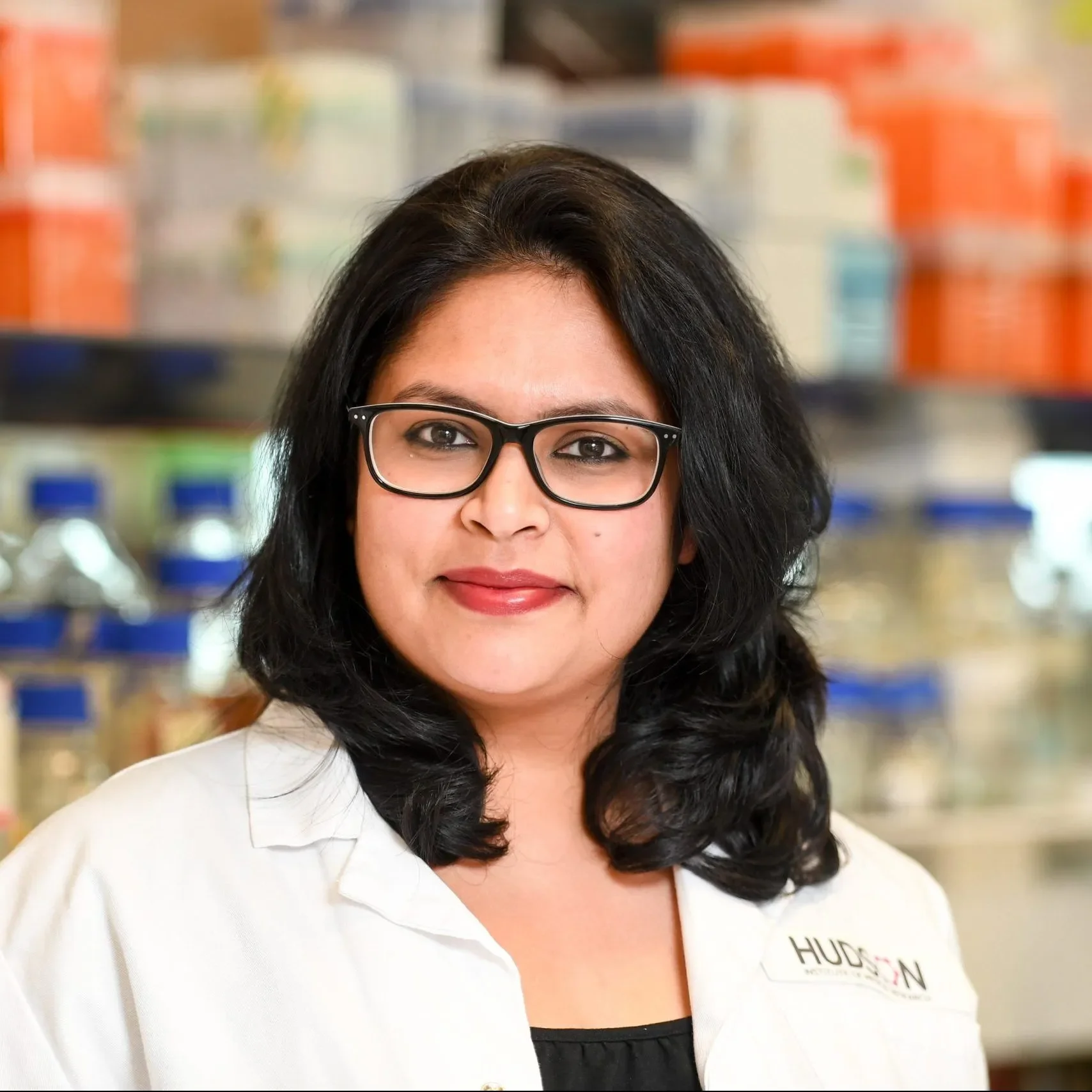
Dr Shayanti Mukherjee
FEATURED RESEARCHER [FEB.26]
Research Focus:
Innovative cell-based therapies for Pelvic Organ Prolapse treatment and prevention
Preview Text:
Shayanti's research addresses a condition that will affect 50% of women worldwide who've given birth, yet remains neglected, under-researched, and rarely discussed. Her interdisciplinary path combining material science, nanotechnology, stem cell biology, immunology and pelvic biology is creating entirely new research possibilities for tissue engineering.
Impact Highlight:
Early detection, better treatment, and actual prevention for a condition that currently requires surgical reconstruction for 1 in 5 women affected.

Why n=1?
An n=1 study focuses deeply on one individual over time. Case studies provide practical, real-life insights that population studies cannot.
The same applies to research careers.
By presenting detailed observations of individual researchers, we demonstrate what excellence, dedication, and vision look like in practice. Not as abstract concepts or averaged data points, but as lived experience.
The intended outcomes:
For researchers: Recognition that your path doesn't need to mirror anyone else's to be valid. Your unique combination of talents and choices is the point.
For funders and policymakers: Evidence of the exceptional talent conducting groundbreaking research across Australia. Real people. Real projects. Real impact that deserves sustainable investment.
For the broader public: Understanding that research careers are as diverse as the problems they address. There is no template. There is only the unrepeatable intersection of expertise, passion, and opportunity that each researcher represents.
Who would you fund?
Could you decide between women's health research, understanding the substances in our drinking water, new cancer drugs, or understanding evolving infectious diseases?
Australia's research talent is exceptional. The problems they're addressing are urgent. The impact potential is enormous.
Yet funding remains hypercompetitive, limited, and simply inadequate.
The researchers featured in the n=1 Project represent a fraction of the talent deserving support. We advocate for sustainable research investment. Support policies that enable researchers to do the work only they can do. Including releasing the full MRFF funding disbursements.
Your career is n=1.
Whether you've found your path inside or outside academia, whether your path looks like anyone else's or not, to validate your career you only need a sample size of one.
Yours.